Carnosine education
Carnosine and Muscle Ageing: What the Research Says
A plain-language look at a molecule your muscles already make, why researchers are interested in it as we get older, and where it honestly fits in a longevity routine.
By Jackie & David, Longevity Passport · · 8 min read
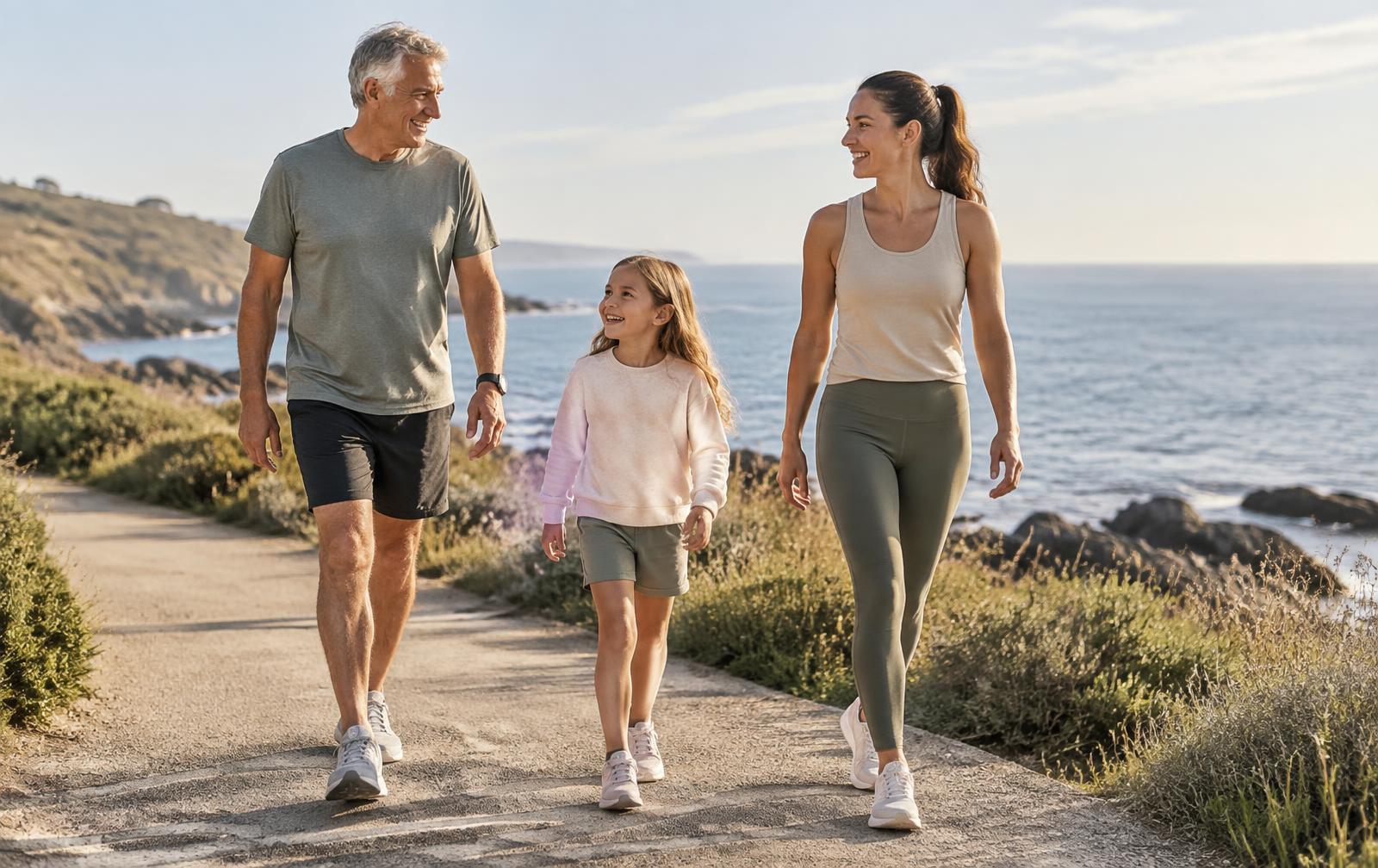
One of the questions we hear most often is simple: why do we keep talking about carnosine? The short answer is that carnosine sits right where our two biggest interests meet. It lives in muscle, it relates to how muscle copes with effort, and muscle is one of the most important things any of us can protect as we age.
This article explains what carnosine is, what happens to it over a lifetime, what the human evidence actually shows, and where its limits are. By the end you should be able to separate the interesting science from the hype, and know what matters most in practice.
What is carnosine?
Carnosine is a naturally occurring dipeptide made from two amino acids, beta-alanine and histidine. Your body produces it, and it is stored in the highest amounts in skeletal muscle, with smaller amounts in the brain and heart. It was first identified more than a century ago, and a major review in Physiological Reviews by Boldyrev, Aldini and Derave (2013) remains one of the most thorough summaries of what it does.
In muscle, its best-understood job is buffering. When you push hard, working muscle produces hydrogen ions that make the local environment more acidic, and that is part of the burning, heavy feeling at the end of a tough effort. Carnosine helps absorb some of those ions. Researchers have also studied its antioxidant and anti-glycation properties, although much of that work has been done in laboratory and animal models rather than people.
Why muscle matters so much as we age
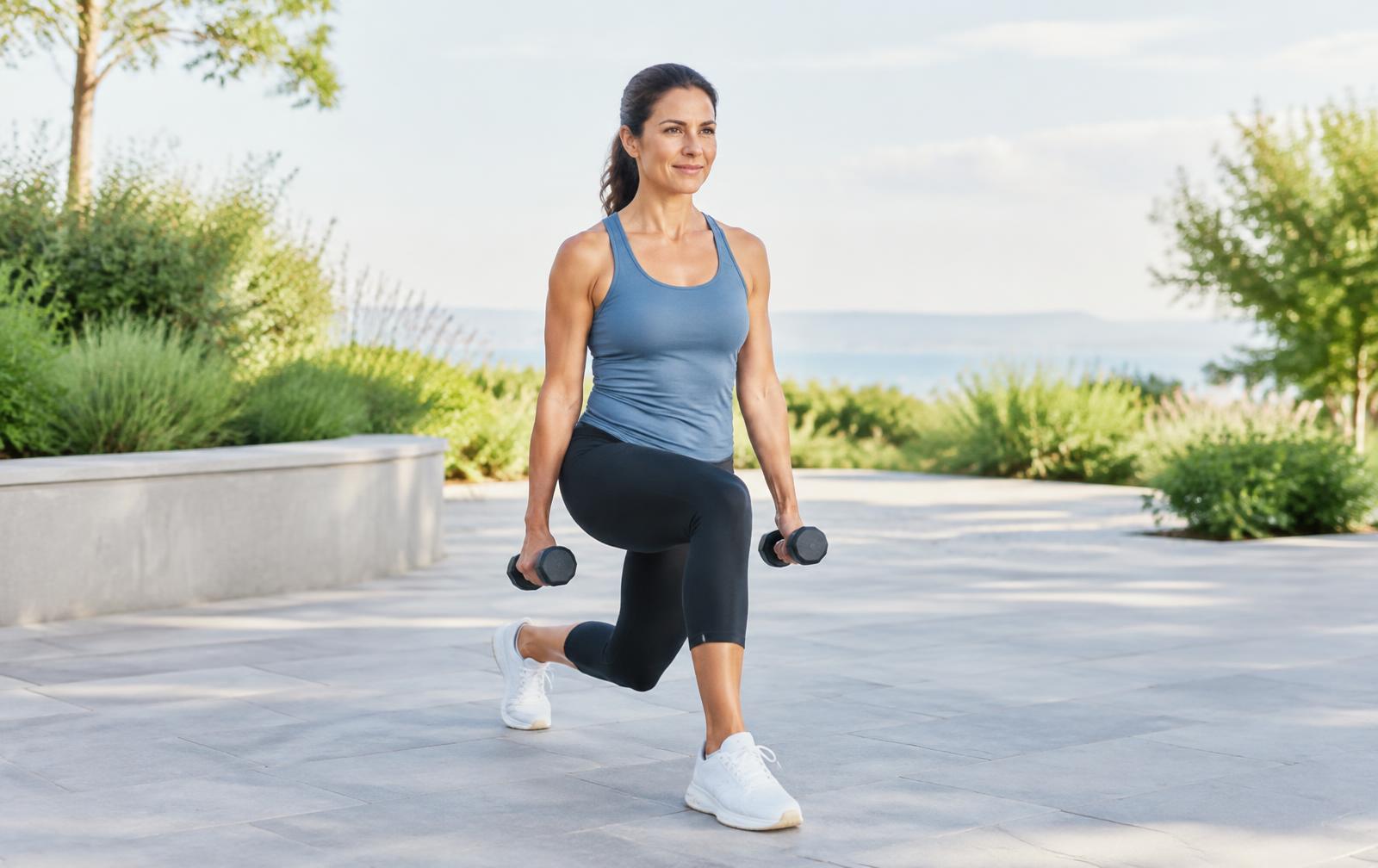
From middle age onward, most people gradually lose muscle mass and, more importantly, muscle strength and power. When that loss becomes significant it is called sarcopenia, which the European Working Group on Sarcopenia in Older People defines primarily through low muscle strength (Cruz-Jentoft et al., 2019). Strength is closely tied to the everyday things we care about: getting off the floor, carrying shopping, climbing stairs, staying steady on uneven ground.
That is why our Longevity Passport is built around movement, mobility, functional strength, flexibility and recovery rather than around any single product. The muscle you keep is the independence you keep.
What the evidence says
Muscle carnosine varies between people
Human studies have found that muscle carnosine differs with diet, sex and age. People who eat little or no meat tend to have lower levels, because beta-alanine and carnosine are found mainly in meat and fish, and several studies have reported lower levels in older adults. The 2013 review by Boldyrev and colleagues pulls this research together. The differences are real, but so is the variation from one person to the next.
Muscle carnosine can be raised
The body’s limiting ingredient for making carnosine is beta-alanine. A key 2006 study by Harris and colleagues showed that taking beta-alanine by mouth for several weeks raised carnosine in the thigh muscle of healthy adults. That finding opened a large body of sports science research.
Performance effects are modest and specific
A systematic review and meta-analysis in the British Journal of Sports Medicine (Saunders et al., 2017) concluded that beta-alanine supplementation has a small but meaningful benefit for exercise capacity, mainly in efforts lasting roughly half a minute to ten minutes. The International Society of Sports Nutrition position stand (Trexler et al., 2015) reached similar conclusions. The benefit shows up in high-intensity work, not in every kind of exercise.
Research in older adults is early
The evidence that matters most for our community is also the thinnest. A small 12-week trial in adults aged 60 to 80 (del Favero et al., 2012) found that beta-alanine increased muscle carnosine and was associated with better results on a fatigue test. It is encouraging, but one small study cannot tell us whether carnosine changes long-term strength, falls or independence. That question is still open.
The main limitation: most strong findings come from younger, trained people or from laboratory work. Human research in older adults is small and short. Want to check the studies yourself? Our carnosine research library summarises the literature in plain language, with every entry linked to PubMed.

Where Longevity Passport fits
We came to carnosine through decades of coaching movement and fitness, not the other way around. For us it is a useful lens for explaining how muscle copes with effort and why recovery matters, and it belongs next to the habits with the strongest evidence: regular strength and balance work, daily walking, good sleep and enough protein.
Our coaching with Jackie and David focuses on those foundations first. For people who train hard, our sports performance approach looks at training load and recovery together. We also share topical carnosine products as independent Lactigo affiliates. We present those as part of a recovery routine, and we are careful to say that most published research used oral beta-alanine or carnosine rather than creams or gels applied to the skin.

Practical considerations
If you are wondering what to actually do with this, start where the evidence is strongest. Australian guidelines for older adults recommend being active on most, preferably all, days, and including activities that build strength, balance and flexibility (Department of Health and Aged Care). Two short strength sessions a week is a realistic starting point for most people, and our note on starting strength training after fifty shows what a gentle first month can look like.
Diet matters too. Meat and fish supply beta-alanine and carnosine directly, so people on plant-based diets may have lower muscle levels. That is not a reason to change your diet; it is simply a factor worth knowing about. If you are considering a supplement, talk to your doctor or an accredited dietitian first, especially if you have a medical condition, take regular medication, or are pregnant. Beta-alanine commonly causes a harmless tingling of the skin, called paraesthesia, at higher single doses.
Common questions
Key takeaways
- Carnosine is a dipeptide your body makes and stores mostly in muscle, where it helps buffer acid during hard effort.
- Muscle levels vary with diet, sex and age, and can be raised with oral beta-alanine.
- Performance benefits are small and mostly limited to short, high-intensity efforts.
- Research in older adults is promising but early. Strength and balance training remain the foundation.
This article is general education, not medical advice. Carnosine is not a treatment for any disease. Speak with a qualified health professional before changing your exercise, diet or supplement routine.
Want help building the foundations?
Jackie and David can help you put strength, mobility and recovery together in a way that suits your life.
Sources & further reading
- Boldyrev AA, Aldini G, Derave W. Physiology and pathophysiology of carnosine. Physiological Reviews, 2013.
- Harris RC et al. The absorption of orally supplied beta-alanine and its effect on muscle carnosine synthesis in human vastus lateralis. Amino Acids, 2006.
- Saunders B et al. β-alanine supplementation to improve exercise capacity and performance: a systematic review and meta-analysis. British Journal of Sports Medicine, 2017.
- Trexler ET et al. International Society of Sports Nutrition position stand: Beta-Alanine. Journal of the International Society of Sports Nutrition, 2015.
- del Favero S et al. Beta-alanine (Carnosyn™) supplementation in elderly subjects (60–80 years): effects on muscle carnosine content and physical capacity. Amino Acids, 2012.
- Cruz-Jentoft AJ et al. Sarcopenia: revised European consensus on definition and diagnosis. Age and Ageing, 2019.
- Australian Government Department of Health and Aged Care. Physical activity and exercise guidelines for older Australians (65 years and over).