Skip to content

The framework

The Longevity Passport

Think of it as a record of the capabilities worth keeping. Five pillars, each one stamped by the work you put in: Move, Strengthen, Flex, Recover, Thrive.

Aging well through movement, strength, flexibility, recovery and healthy lifestyle choices.

Stamp 01

Move

Freedom of movement

Mobility is the difference between doing what you want and working around what you can't. We help you keep joints, hips, shoulders and ankles moving the way daily life asks them to.

  • Everyday mobility for walking, stairs, driving and gardening
  • Balance and coordination work built into normal movement
  • Simple routines you can repeat at home

Stamp 02

Strengthen

Practical capability

Strength is not about lifting the heaviest weight in the room. It is about carrying shopping, lifting grandchildren and standing up from a low chair without a second thought.

  • Functional strength for real tasks, not gym vanity
  • Progressions matched to your starting point
  • Training that supports musculoskeletal health
Stamp 03

Flex

Comfortable range

Useful flexibility keeps movement comfortable and confident. We work on the ranges you actually use, so reaching, turning and bending stay easy.

  • Targeted range-of-motion work
  • Position and posture habits for desk and travel days
  • Short sequences that fit a normal morning
Stamp 04

Recover

Sustainable resilience

Recovery is where the work is absorbed. Sleep, easy days, breathing and sensible loading are treated as part of the plan rather than an afterthought.

  • Recovery rhythms across the week
  • Sleep, hydration and rest-day habits
  • Managing effort so you can keep going for years
Stamp 05

Thrive

Habits that hold

The plan only counts if it survives a busy week. We help turn healthy choices into habits that support energy, independence, purpose and quality of life.

  • Habit design around your real schedule
  • Practical lifestyle and nutrition-awareness guidance
  • Accountability that stays encouraging

Why carnosine

Carnosine — the molecule at the centre of this work

Carnosine is a naturally occurring dipeptide (beta-alanine plus histidine) concentrated in skeletal muscle, the brain and the heart — the tissues that work hardest and age fastest. Levels tend to decline with age and with lower muscle mass, which is one reason it has become such a widely studied compound in muscle, recovery and healthy-aging research.

Carnosine sits inside the Recover pillar. It does not replace movement, strength, flexibility, sleep or sensible loading — it is one tool some people use alongside them.

Buffering the burn

In muscle, carnosine acts as a pH buffer. Researchers study it for its role in how muscle handles the acidity that builds during hard or sustained effort.

Antioxidant behaviour

Carnosine is investigated for its antioxidant and metal-chelating activity, and for binding the reactive by-products of everyday metabolism.

Glycation and aging research

Much of the healthy-aging literature looks at carnosine's anti-glycation behaviour — how it interacts with the sugar-protein reactions associated with aging tissue.

Applied topically

Swallowed carnosine is broken down quickly by enzymes in the gut and blood. A topical gel is designed to put carnosine onto the muscle groups doing the work, without a digestion step.

Carnosine research is ongoing and much of it is early or animal-based. Nothing here is a medical claim, a diagnosis or a promise of results.

Stage by stage

The same pillars, applied differently through life

  1. Building Foundations

    Early adulthood

    Movement skill, strength habits and recovery basics learned early make everything that follows easier.

  2. Active Adulthood

    Busy years

    Work, family and travel compete for time. Short, consistent training protects capability through the demanding decades.

  3. Midlife Strength

    Midlife

    A window to build strength deliberately, look after joints and keep energy steady rather than letting fitness drift.

  4. Healthy Aging

    Later adulthood

    Strength, balance and mobility work help maintain function, confidence and the activities that matter most.

  5. Lifelong Independence

    Every stage

    The goal never changes: keep moving well enough to live on your own terms, for as long as possible.

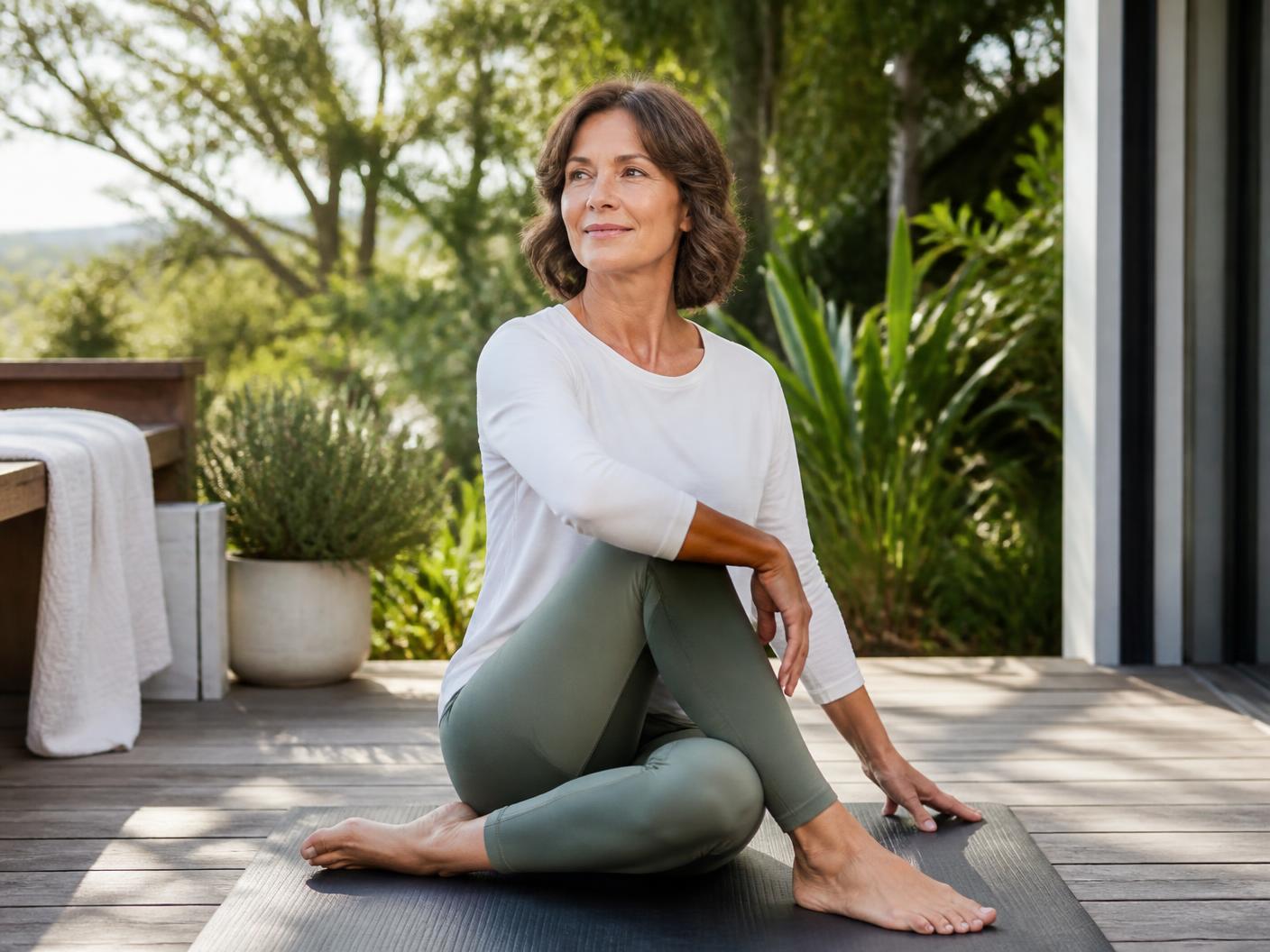
A woman doing gentle mobility work outdoors on a sunlit deck

Get your first stamp

Coaching starts with a conversation about where you are now and what you want to protect.

Our coaching and education are general wellbeing guidance, not individualised medical advice. If you have a health condition or you are unsure where to begin, speak with your doctor first.